Economics Explained
Clear explanations of current economic events, written for A-level students studying AQA or Edexcel Economics. Each article shows how real-world examples can be used to understand economic theory, strengthen analysis and improve evaluation.
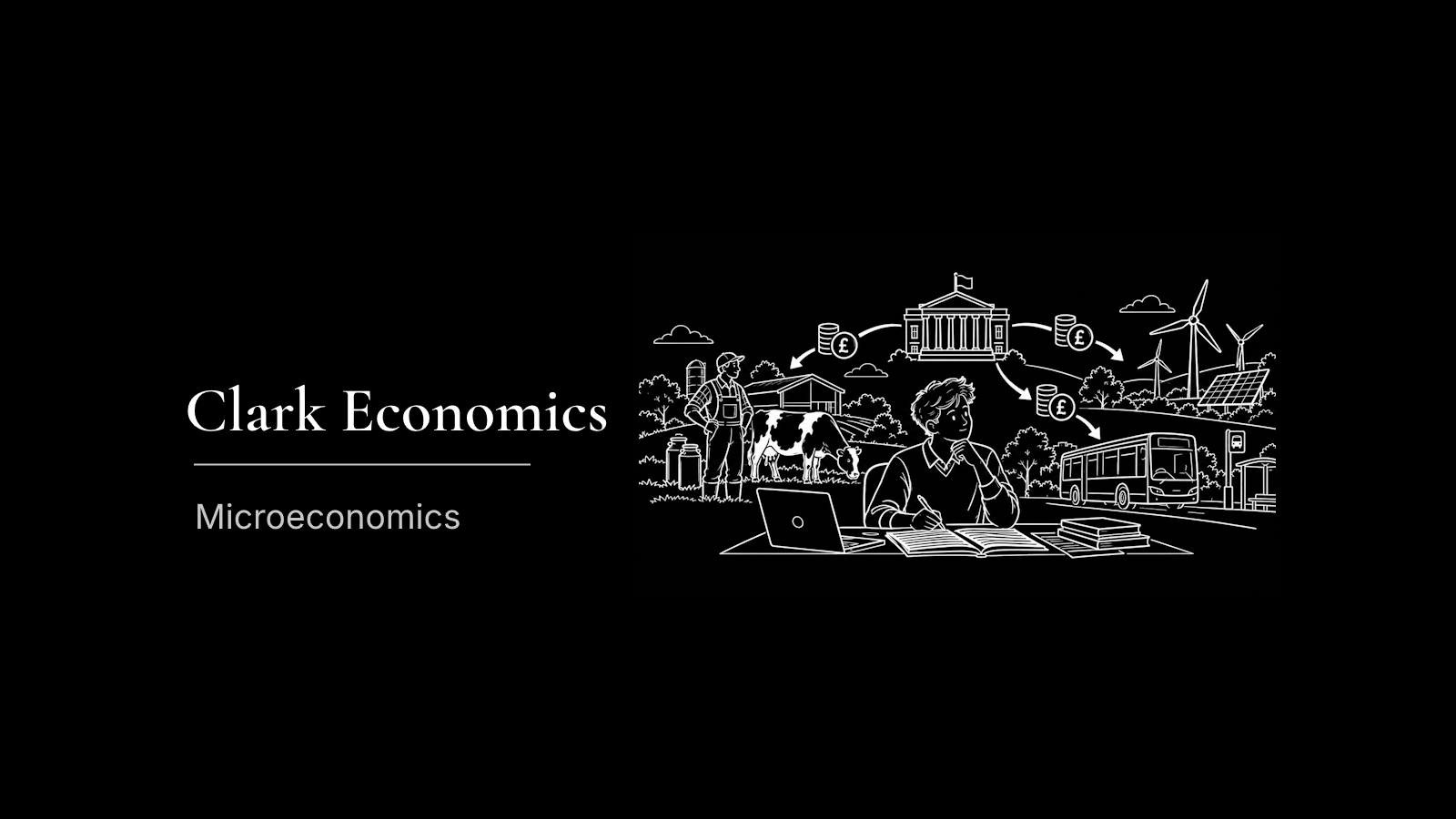
Subsidies in A-Level Economics Exams: Analysis and Evaluation
Can you apply what you've learned about subsidies to an unfamiliar economic problem? Follow Ben, a junior economist assessing a government grant, and discover how to develop stronger analysis, evaluation and reasoned judgements in A-level Economics exams.
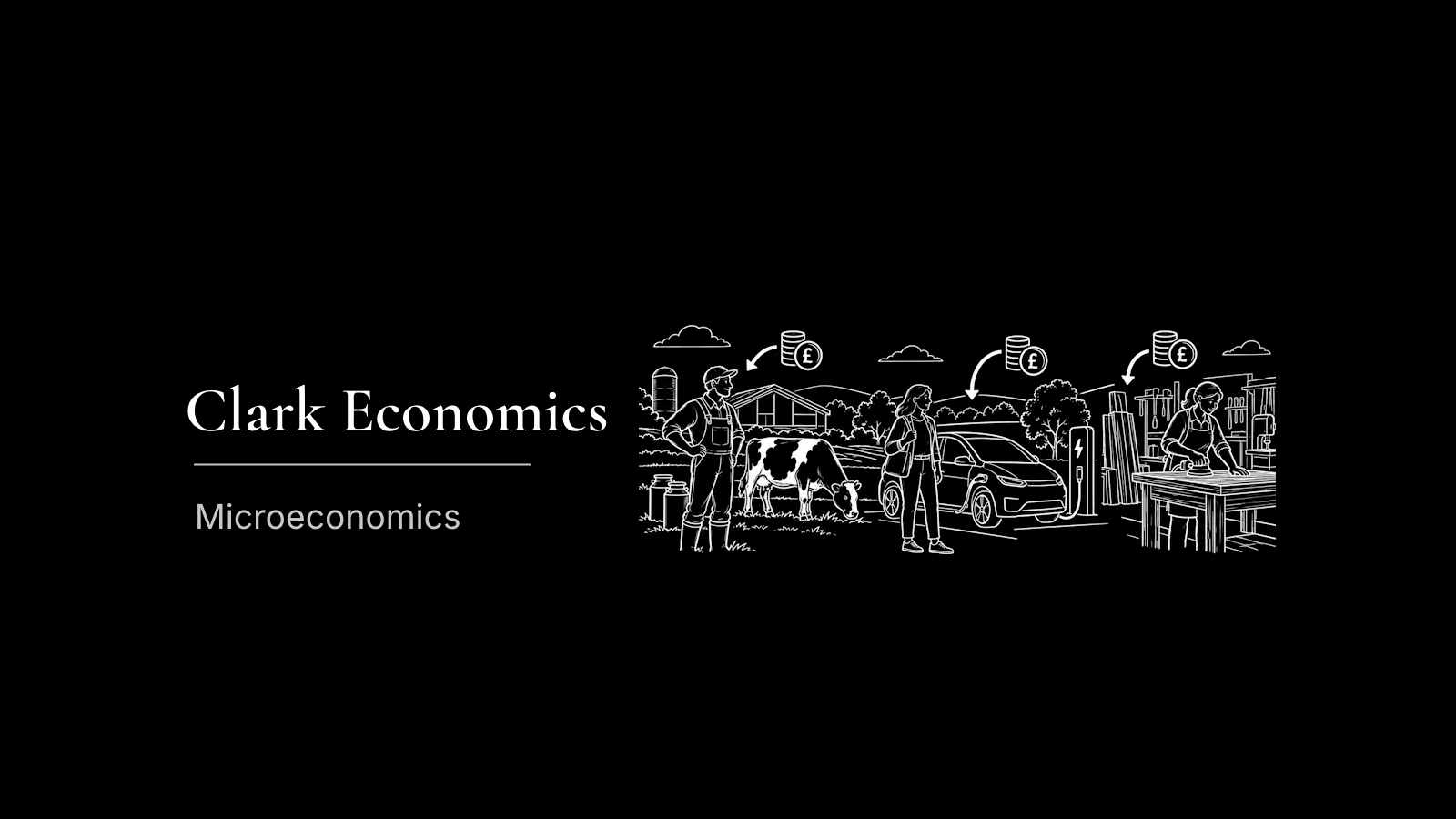
Types of Subsidies: How Do They Work in Different Industries?
Not all subsidies work in the same way. Using a dairy farmer, an electric-car buyer and a furniture manufacturer, we explore different types of subsidy, how they change incentives, who benefits and why governments introduce them.

Who Gains and Who Loses from a Tariff? Consumer Surplus, Producer Surplus and Welfare
See who gains and who loses from a tariff, and how consumer surplus, producer surplus, government revenue and deadweight welfare loss are shown on the tariff diagram.

How Does a Tariff Work? The Tariff Diagram Explained
Learn how a tariff changes the standard world-price diagram by raising the domestic price, increasing domestic production, reducing consumption and cutting imports.

World Price and Imports Explained: The Economics Before a Tariff
Understand what economists mean by the world price, why imports arise, and how domestic demand and supply create the import gap before a tariff is introduced.

Who Actually Pays a Tariff? Where the Money Goes and Who Bears the Cost
Who actually pays a tariff, where does the money go, and does the price automatically rise? A simple example using imported tomatoes shows how tariffs work in practice — and why the person who pays the tariff is not necessarily the person who ultimately bears its cost.

What Is A-Level Economics? What You Learn and What the Subject Is Like
Discover what A-Level Economics covers, from markets to inflation, and how students learn to explain and evaluate real-world decisions.