Economics Explained
Clear explanations of current economic events, written for A-level students studying AQA or Edexcel Economics. Each article shows how real-world examples can be used to understand economic theory, strengthen analysis and improve evaluation.
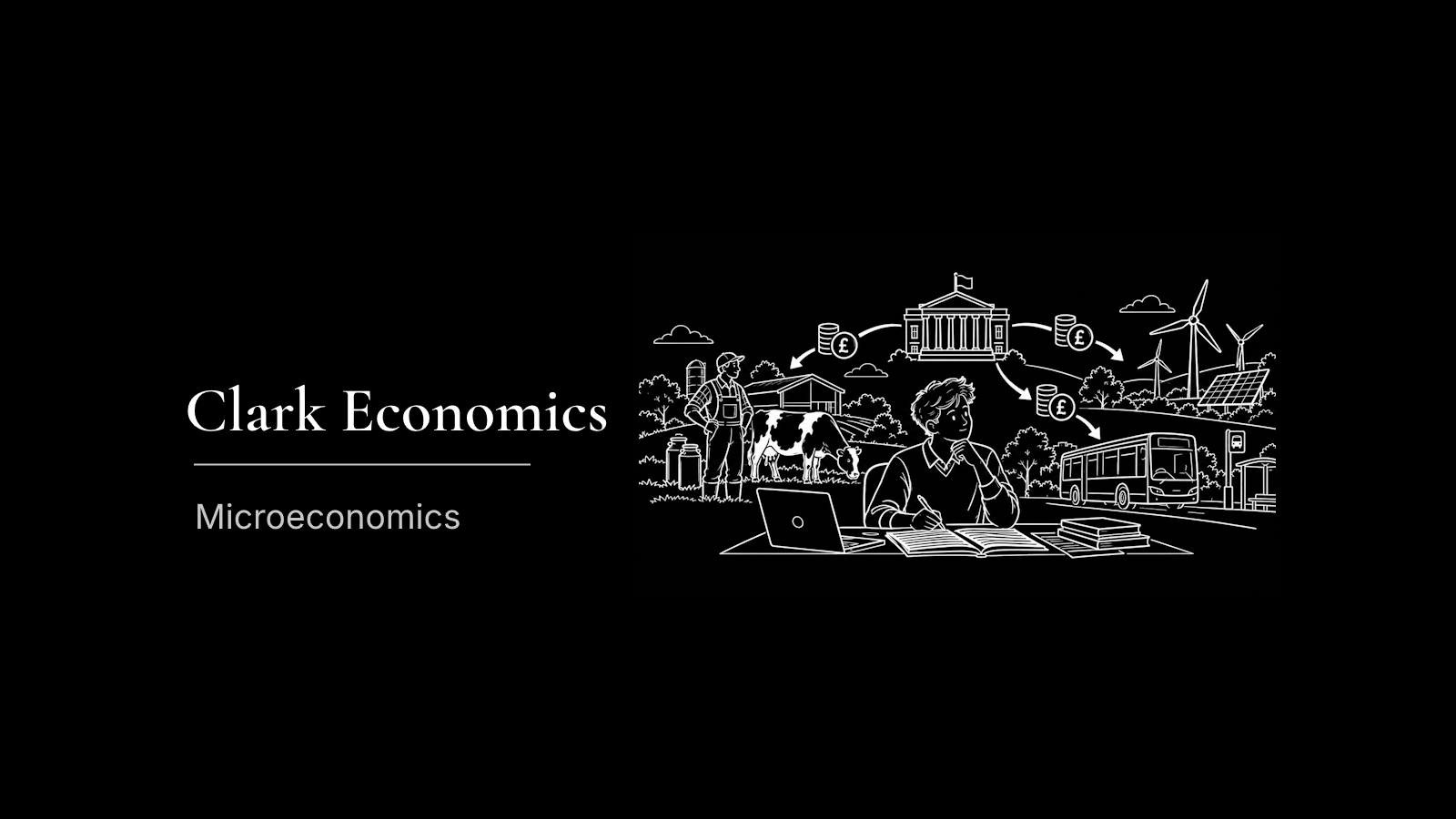
Subsidies in A-Level Economics Exams: Analysis and Evaluation
Can you apply what you've learned about subsidies to an unfamiliar economic problem? Follow Ben, a junior economist assessing a government grant, and discover how to develop stronger analysis, evaluation and reasoned judgements in A-level Economics exams.
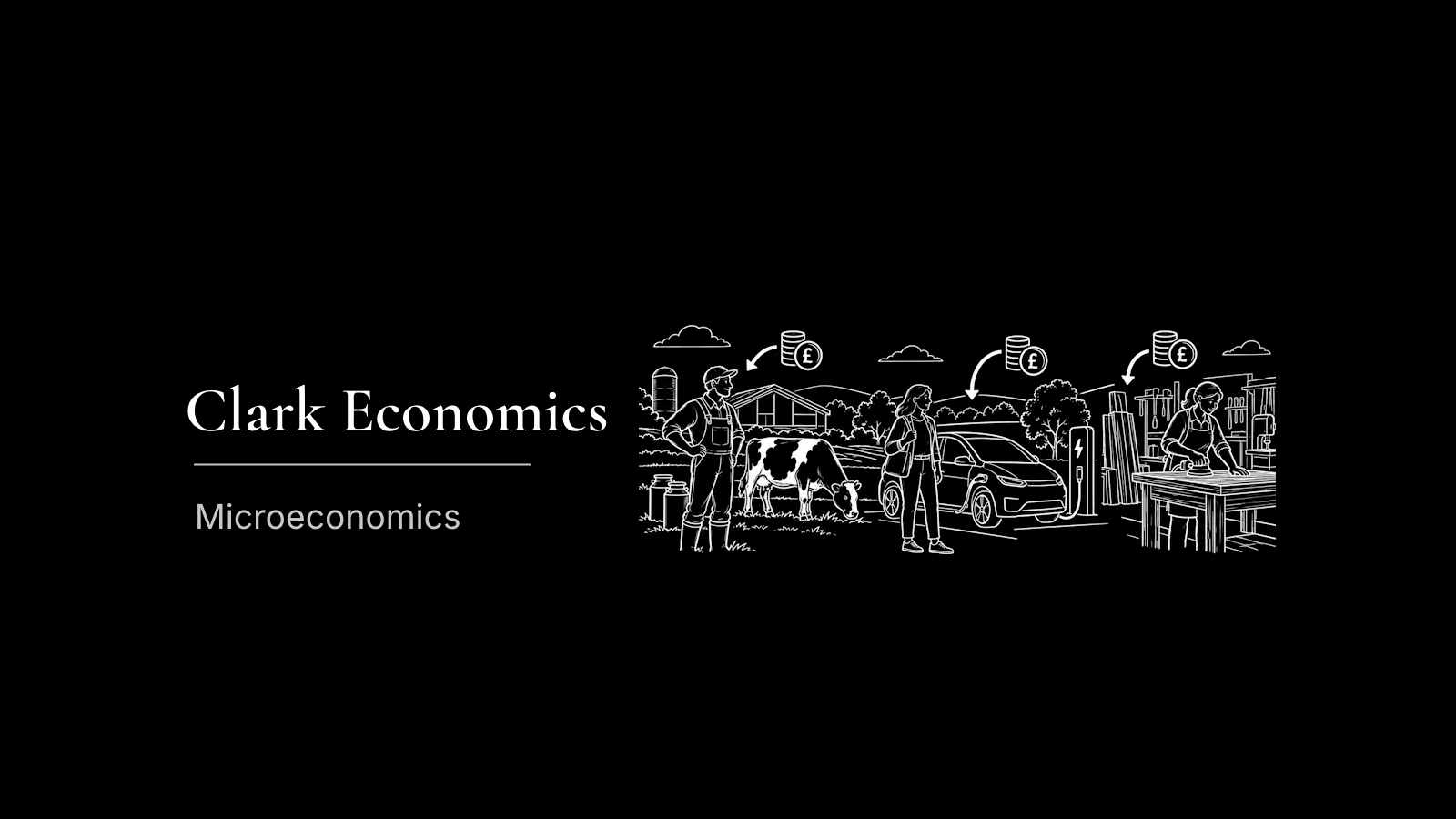
Types of Subsidies: How Do They Work in Different Industries?
Not all subsidies work in the same way. Using a dairy farmer, an electric-car buyer and a furniture manufacturer, we explore different types of subsidy, how they change incentives, who benefits and why governments introduce them.

Do Subsidies Improve Economic Welfare?
Do subsidies make society better off? Discover why they can create welfare losses, when they may correct market failure and why their effects depend on circumstances.
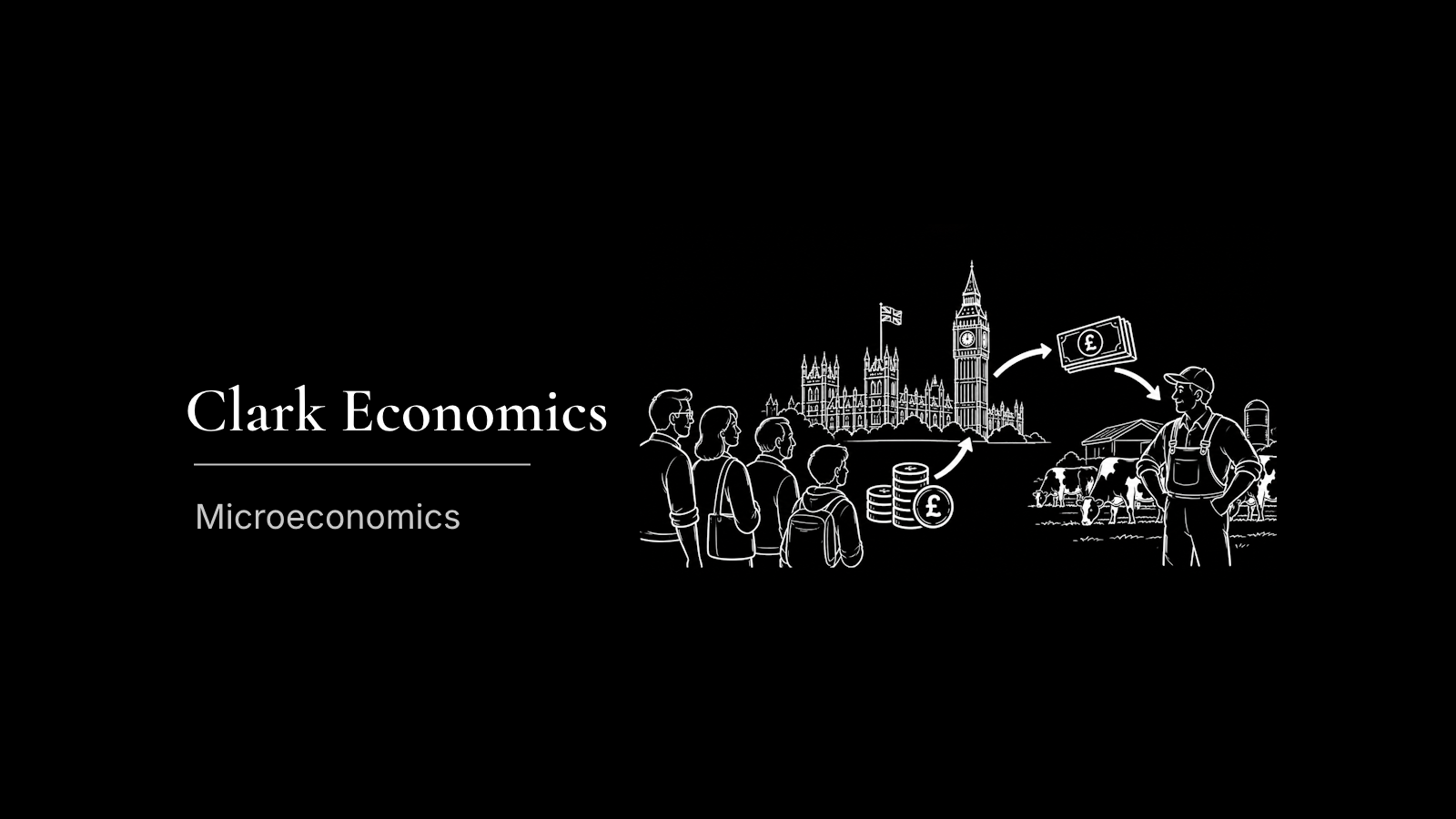
Who Actually Pays for a Subsidy?
Where does the money for government subsidies come from? Explore taxation, borrowing, opportunity cost and why subsidy spending isn't necessarily a loss to society.
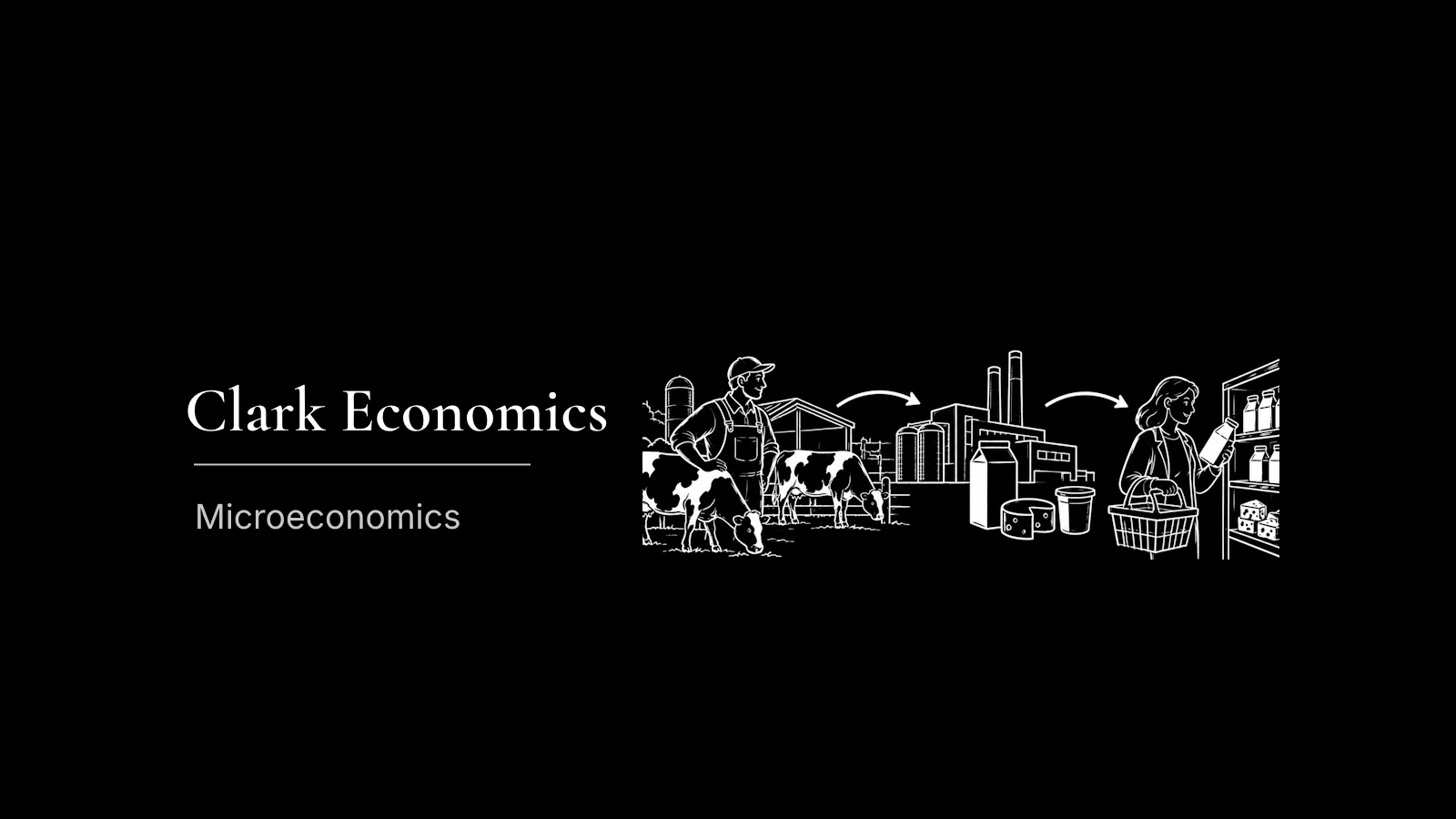
Who Benefits from a Subsidy? The Role of Elasticity
Who really benefits when the government pays a subsidy? Discover how farmers and buyers share the benefits, and why price elasticity matters.
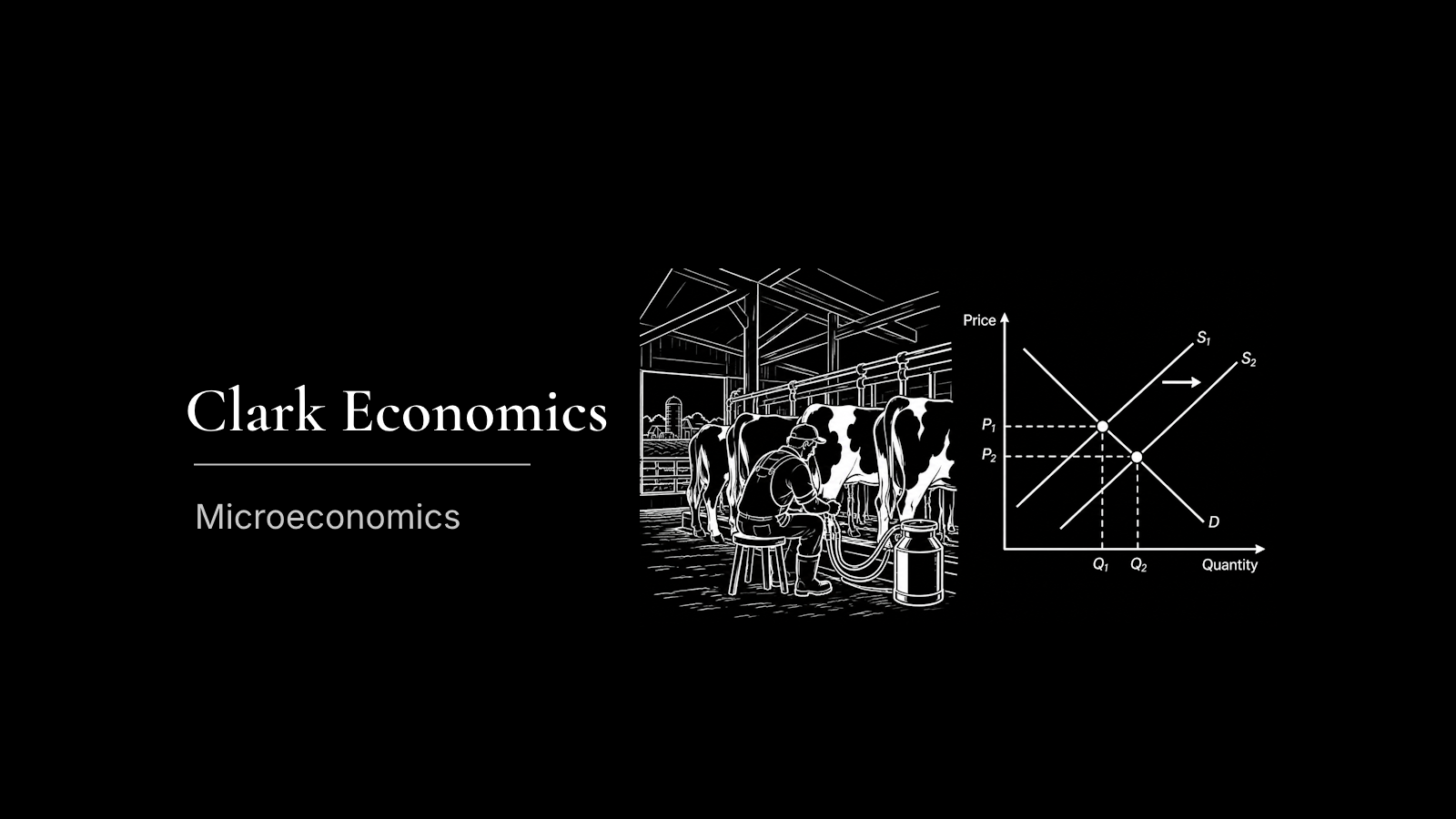
The Subsidy Diagram Explained: Step by Step
Learn how to draw and understand a subsidy diagram, one step at a time. Using Luke's dairy farm, we explain each line, price and change in quantity.

How Does a Subsidy Actually Work?
Follow Luke, a dairy farmer, to discover how a government subsidy works in practice, why it encourages production and what happens to market prices.