Economics Explained
Clear explanations of current economic events, written for A-level students studying AQA or Edexcel Economics. Each article shows how real-world examples can be used to understand economic theory, strengthen analysis and improve evaluation.
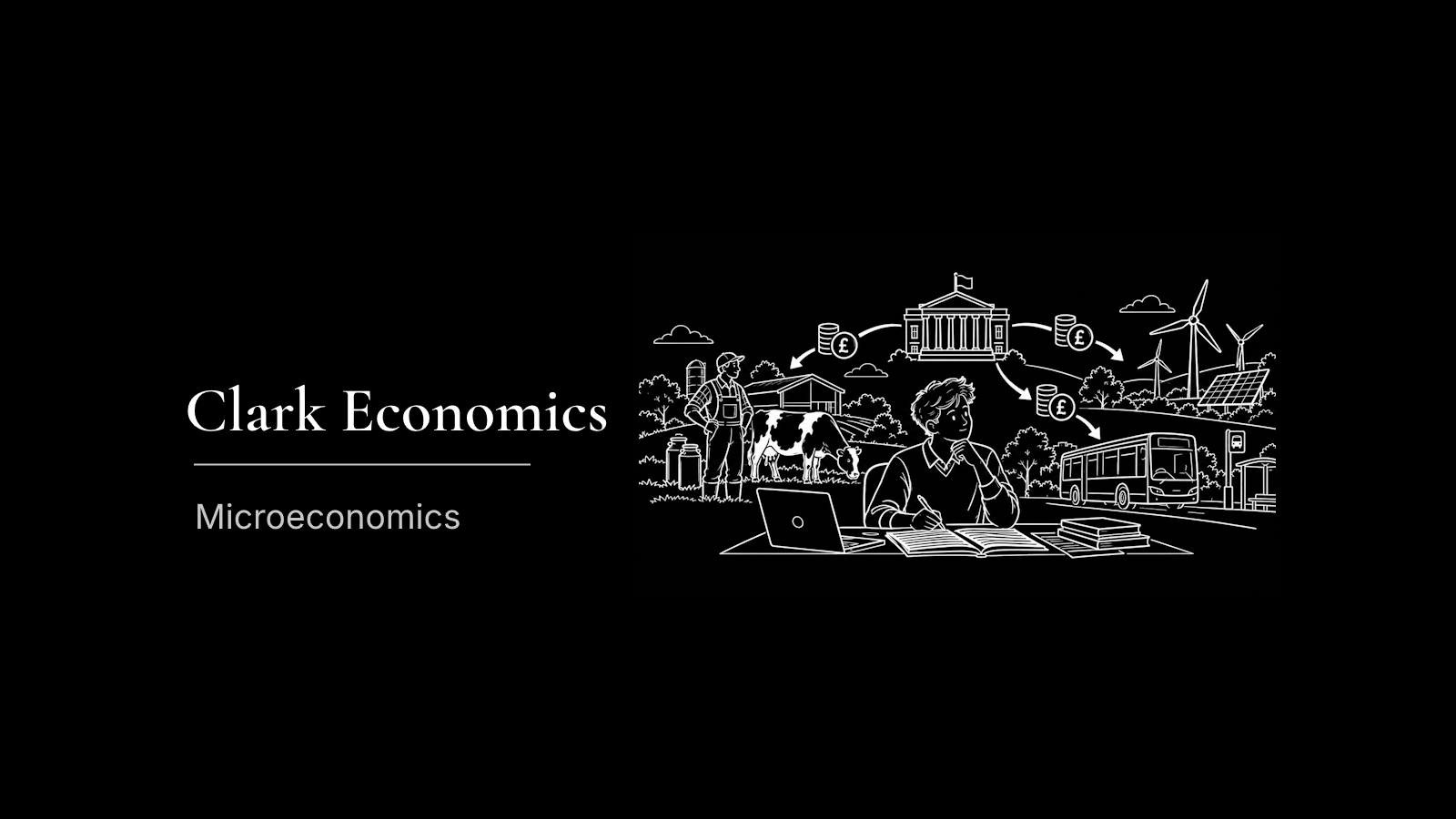
Subsidies in A-Level Economics Exams: Analysis and Evaluation
Can you apply what you've learned about subsidies to an unfamiliar economic problem? Follow Ben, a junior economist assessing a government grant, and discover how to develop stronger analysis, evaluation and reasoned judgements in A-level Economics exams.
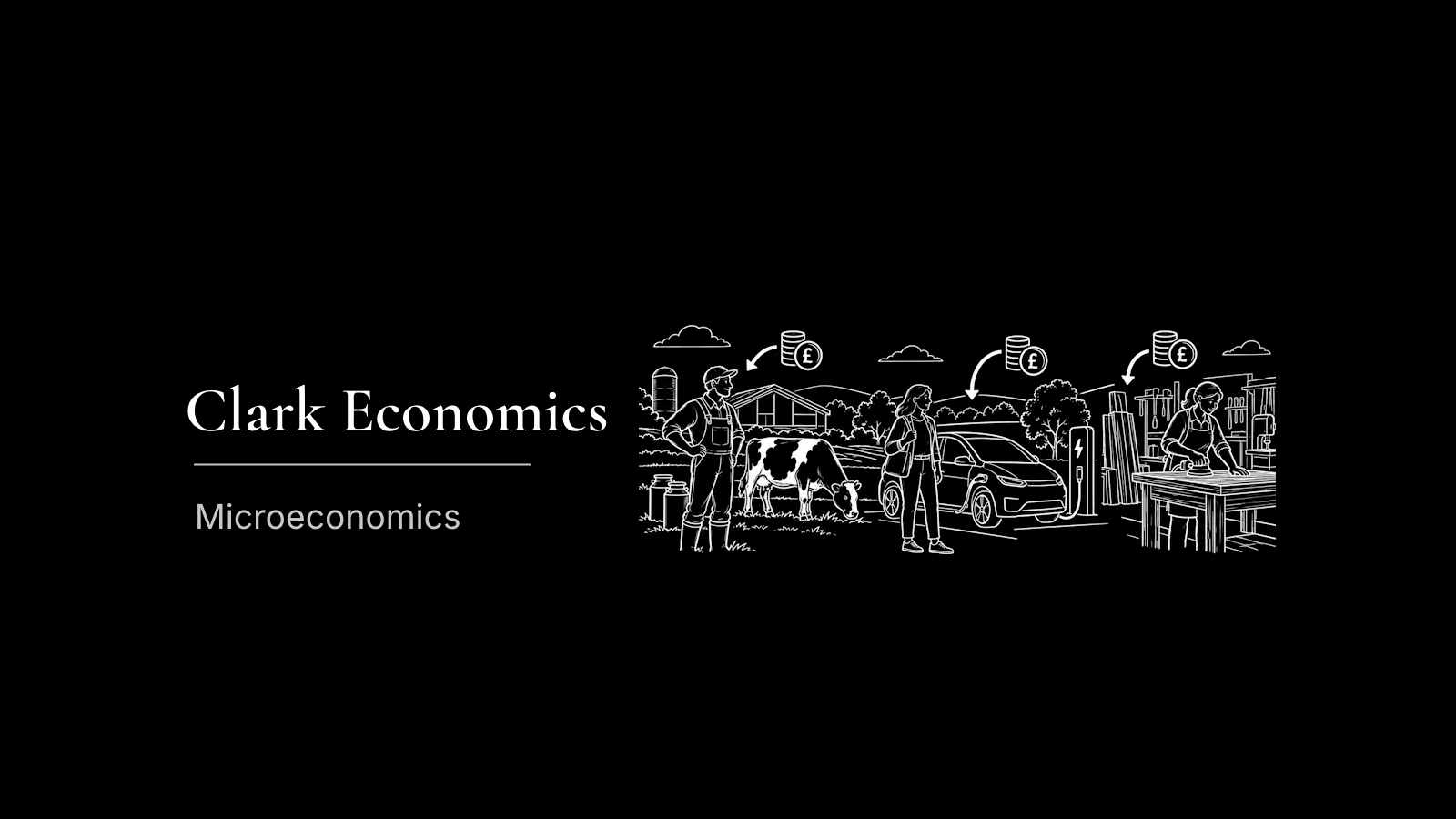
Types of Subsidies: How Do They Work in Different Industries?
Not all subsidies work in the same way. Using a dairy farmer, an electric-car buyer and a furniture manufacturer, we explore different types of subsidy, how they change incentives, who benefits and why governments introduce them.
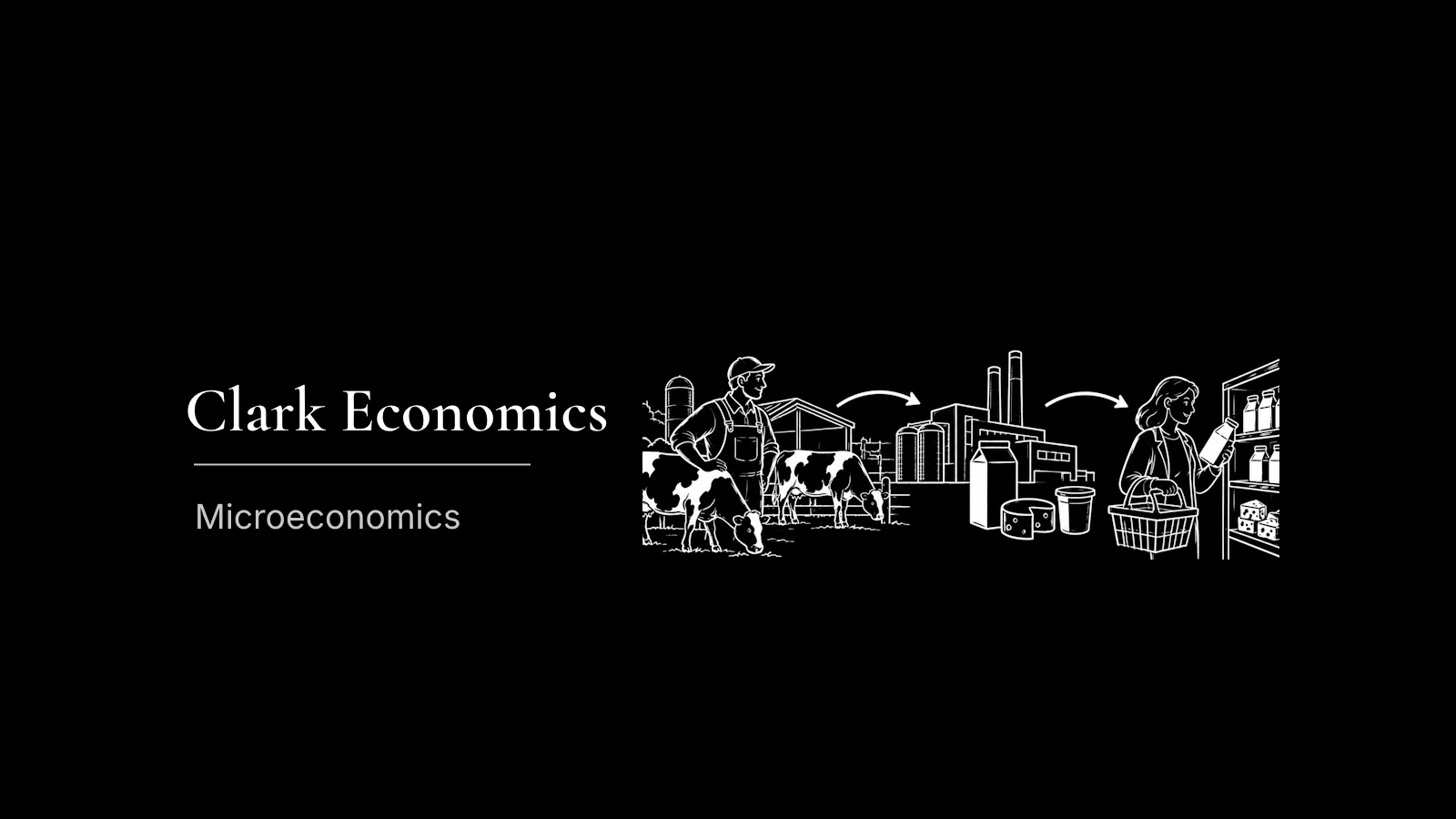
Who Benefits from a Subsidy? The Role of Elasticity
Who really benefits when the government pays a subsidy? Discover how farmers and buyers share the benefits, and why price elasticity matters.

How Does a Subsidy Actually Work?
Follow Luke, a dairy farmer, to discover how a government subsidy works in practice, why it encourages production and what happens to market prices.

President Trump’s Tariffs in 2026
President Trump’s 2026 tariffs are a useful real-world example of protectionism. This article explains what tariffs are, why governments use them, and how they link to A-Level Economics topics such as inflation, trade deficits, elasticity and government intervention.

Baby Food Pouches: Why Demand Shifted Left
Negative media coverage about sugary baby food pouches caused branded baby food sales to fall sharply. This is a clear real-world example of demand shifting left, with useful links to substitutes, information failure, elasticity and government intervention.